
53. LEO TOLSTOY “WHAT IS A JEW?” (1891)
“This question is not as strange as it may seem at first glance. Let’s examine this free creature that was insulated and oppressed, trampled on and pursued, burned and drowned by all the rulers and the nations, but is nevertheless living and thriving in spite of the whole world.
52. MARK TWAIN ON THE JEWS (SEP 1897)
“If the statistics are right, the Jews constitute but one quarter of one percent of the human race. It suggests a nebulous puff of star dust lost in the blaze of the Milky Way. Properly, the Jew ought hardly to be heard of, but he is heard of, has always been heard of.
51. A MIRACLE AS A PROOF OF GOD
Some people claim they would believe in GOD if they saw a miracle. But what greater miracle than the history of the People of Israel? Isn’t the return of Zion a much greater and more impressive miracle than a fire descending from the sky or a sea split in two?
50. THE TORAH OF THE BIBLE

The unique history of the People of Israel would have been preached even if the Torah (first 5 books of the Bible) had not foreseen it in advance.
49. EVIDENCE BASED ON THE HISTORY OF THE PEOPLE OF ISRAEL (PEOPLE OF THE BIBLE)

It is said that the King of France once asked the philosopher Belz Pascal to give him evidence of the existence of GOD. Pascal replied without hesitation: “The Jews, Your Excellency.”
BE OPEN TO EVIDENCE, WHATEVER IT MAY BE
He who rejects in advance any testimony that sounds “delusional” to him only because of his prejudices about reality, and what may or may not be in it, is not a rational person but dogmatic and closed. Anyone who is willing to accept extraordinary evidence after reasonable criticism may indeed sometimes err and believe wrong […]
48. THE EXPERIENCE IS SIMILAR – THE PERCEPTION INDIVIDUALISTIC
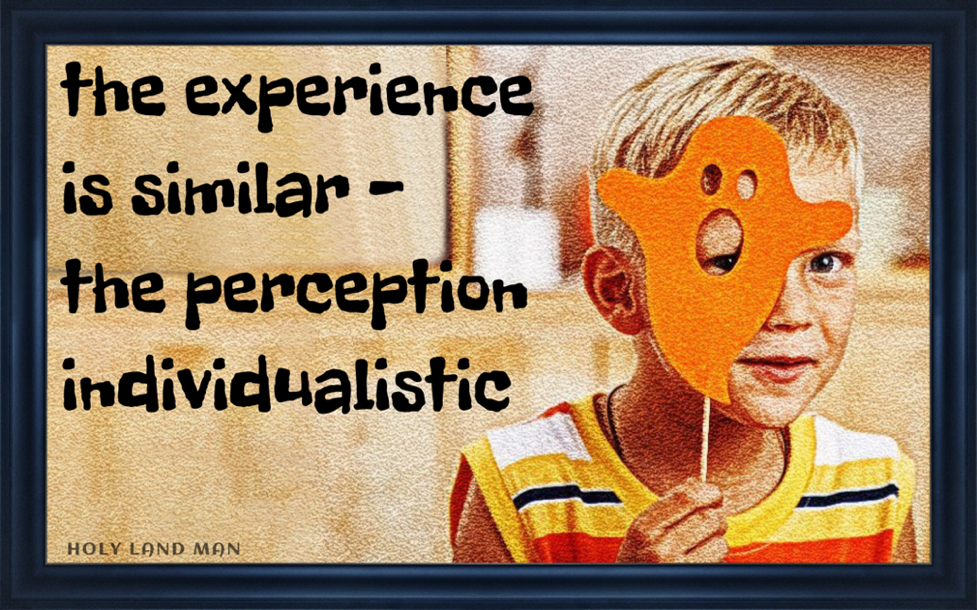
In any case, there is no evidence in the multiplicity of different testimonies that these are hallucinations. If aliens had come to Earth several times, they would probably describe it in completely different ways: one would see a sea, the other a forest, and the third a large city.
47. DO THE DIFFERENT RELIGIOUS APPROACHES CONTRADICT “A GOD”?

I say they are similar in the experience but different in the interpretation and the methods of what pleases their GOD. I also believe that most religions manipulate “GOD’s will” to fit their political agenda “in the name of GOD.”
46. IS RELIGION MERELY A DRUG-LIKE EXPERIENCE?
In other words, our default is to assume that what we perceive to be true is indeed true, unless proven otherwise. There are things that seem real to us at the time, like dreams or hallucinations resulting from drug use, but once they pass we recognize that they never really came true.
45. CAN WE DOUBT TANGIBLE EXPERIENCES?

The problem with this critique is that if we doubt tangible experiences that seem certain to us, and treat them as hallucinations, what can we say is true? Maybe the reality we are experiencing at the moment is also a dream or a hallucination?